
4 Ways Vinyl Siding Helps Improve Energy Efficiency
When homeowners look for ways to upgrade their exteriors, they often seek solutions that offer both visual appeal and functional benefits. The facade of a house is the first line of defense against the harsh realities of changing seasons, severe weather, and shifting climates. One of the primary concerns for many property owners is finding methods to lower monthly utility bills and create a more comfortable indoor environment year-round. Upgrading the exterior of a house is a significant step toward achieving these goals, especially when selecting materials that actively contribute to better climate control. Many people do not immediately connect exterior cladding with reduced energy consumption, yet the right materials can make a substantial difference in how a house retains heat in the winter and stays cool in the summer. Partnering with experienced vinyl siding suppliers can help you find the perfect balance between style, weather resistance, and utility savings. As a lightweight, versatile, and highly adaptable material, this type of cladding has become a staple in modern residential construction and renovation. By understanding how this material interacts with the elements, property owners can make informed decisions that benefit their households for decades. Here are four ways this popular exterior upgrade can help improve the overall energy efficiency of a home.
1. Providing Excellent Thermal Insulation
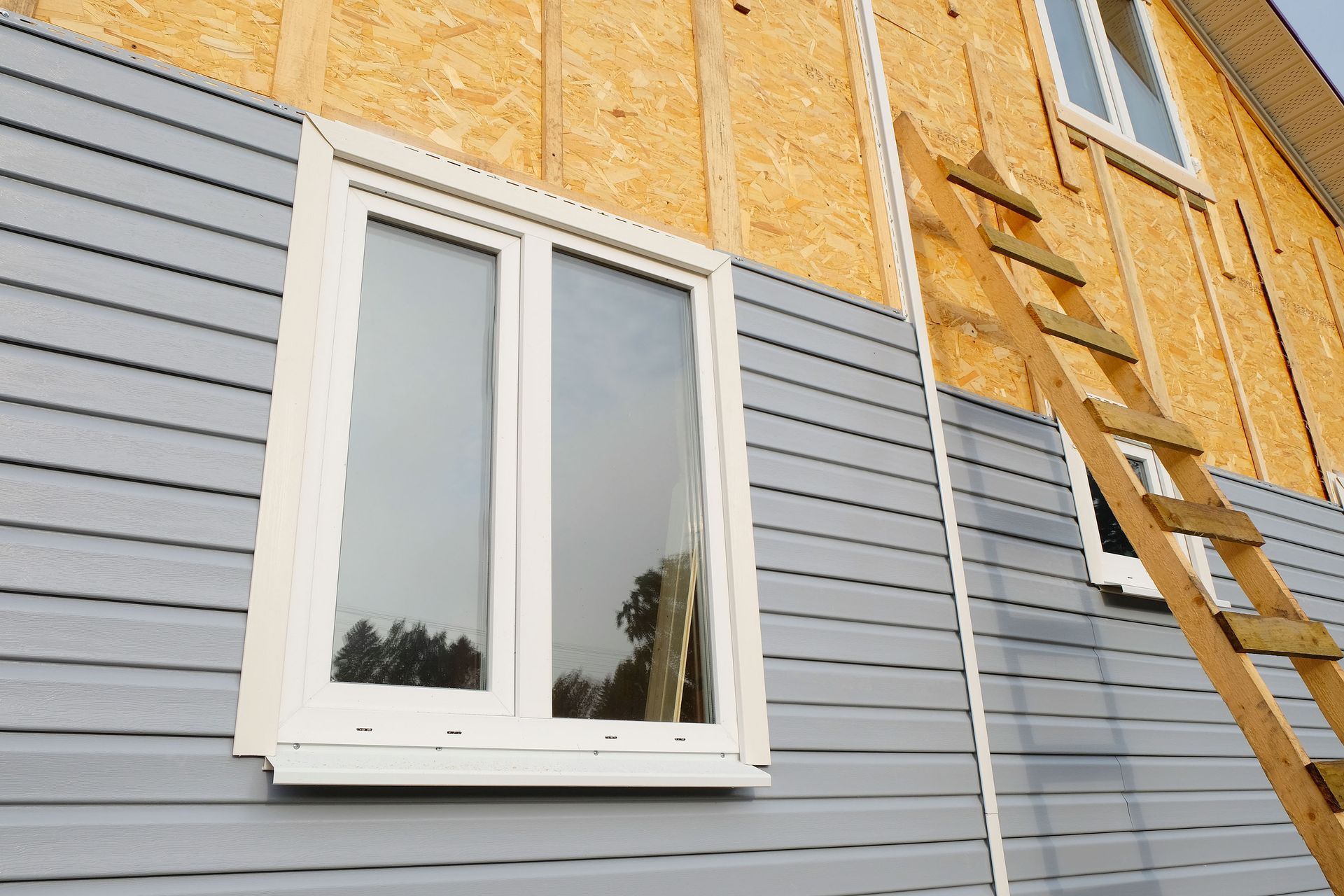
The primary mechanism through which exterior cladding improves a home's climate control is by acting as a formidable barrier against the elements. Standard exterior walls often contain gaps or structural elements that allow heat to transfer easily between the interior of the home and the outdoors. This phenomenon, known as thermal bridging, forces heating and cooling systems to work significantly harder to maintain a comfortable temperature inside the living spaces. When you work with top-tier vinyl siding suppliers, you can explore options that include built-in insulating layers. This insulated variant features a layer of rigid foam fused to the back of the panels, which directly combats thermal bridging by blanketing the wall studs and framing. By wrapping the house in a continuous layer of insulation, the material prevents heated air from escaping during the frigid winter months and blocks scorching heat from penetrating the living spaces during the peak of summer. The result is a much more stable indoor climate that requires less reliance on central heating and air conditioning units. As these mechanical systems operate less frequently and with less intensity, homeowners experience a noticeable drop in their monthly energy expenditures. This continuous protective envelope is one of the most effective ways to upgrade the thermal performance of an older residential structure without having to tear out interior walls to add conventional insulation. In addition to saving money, this reduction in energy consumption is beneficial for the environment, lowering the overall carbon footprint of the household by a significant margin.
2. Preventing Unwanted Air Leakage
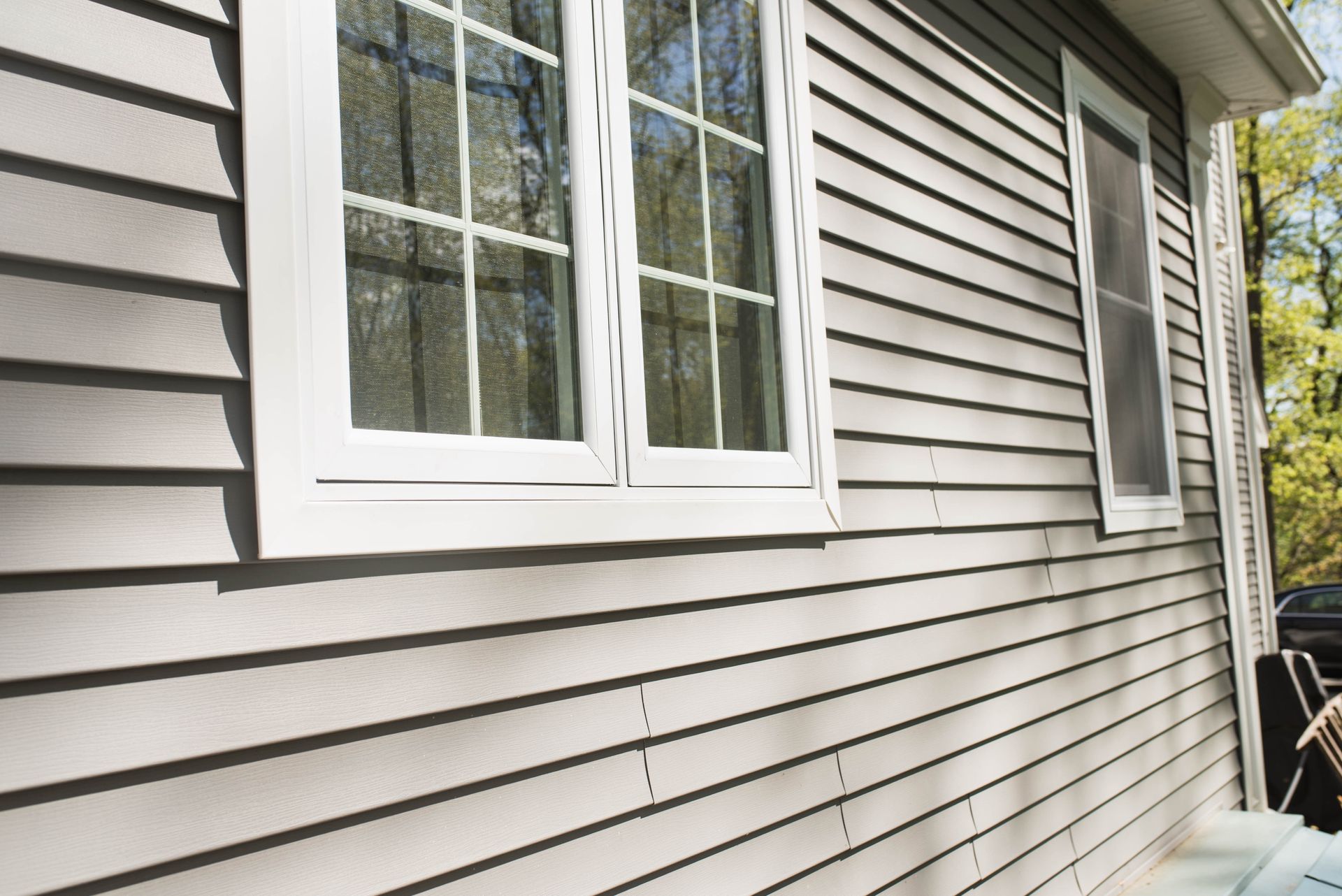
Another major culprit behind skyrocketing energy bills is uncontrolled air leakage, which occurs when conditioned indoor air slips out through tiny cracks and unconditioned outside air drafts in. Older homes, in particular, suffer from drafts around window frames, door frames, and the corners where exterior walls meet. High-quality exterior cladding systems are engineered to interlock securely, creating a tight and continuous shield that significantly reduces the amount of air that can infiltrate the building envelope. When properly installed by professionals, this material acts as a robust windbreaker for the house, neutralizing the impact of strong gusts that would otherwise force cold air into the living areas. To maximize this protective benefit, it is crucial to source materials from reputable vinyl siding suppliers who offer panels with advanced locking mechanisms and hem designs that withstand severe weather. Additionally, some vinyl siding suppliers provide comprehensive exterior systems that include specialized house wraps and sealants designed to work in tandem with the exterior panels. Together, these components form a highly effective barrier that completely seals off the typical pathways for air leaks. By stopping drafts before they can penetrate the structural framing, the climate control system can run much more efficiently, preserving the desired indoor temperature and significantly reducing the workload on furnaces and heat pumps. This ultimately extends the life of your expensive HVAC equipment, saving you even more money on repairs and early replacements over the lifetime of the system.
3. Offering Reflective Color Options
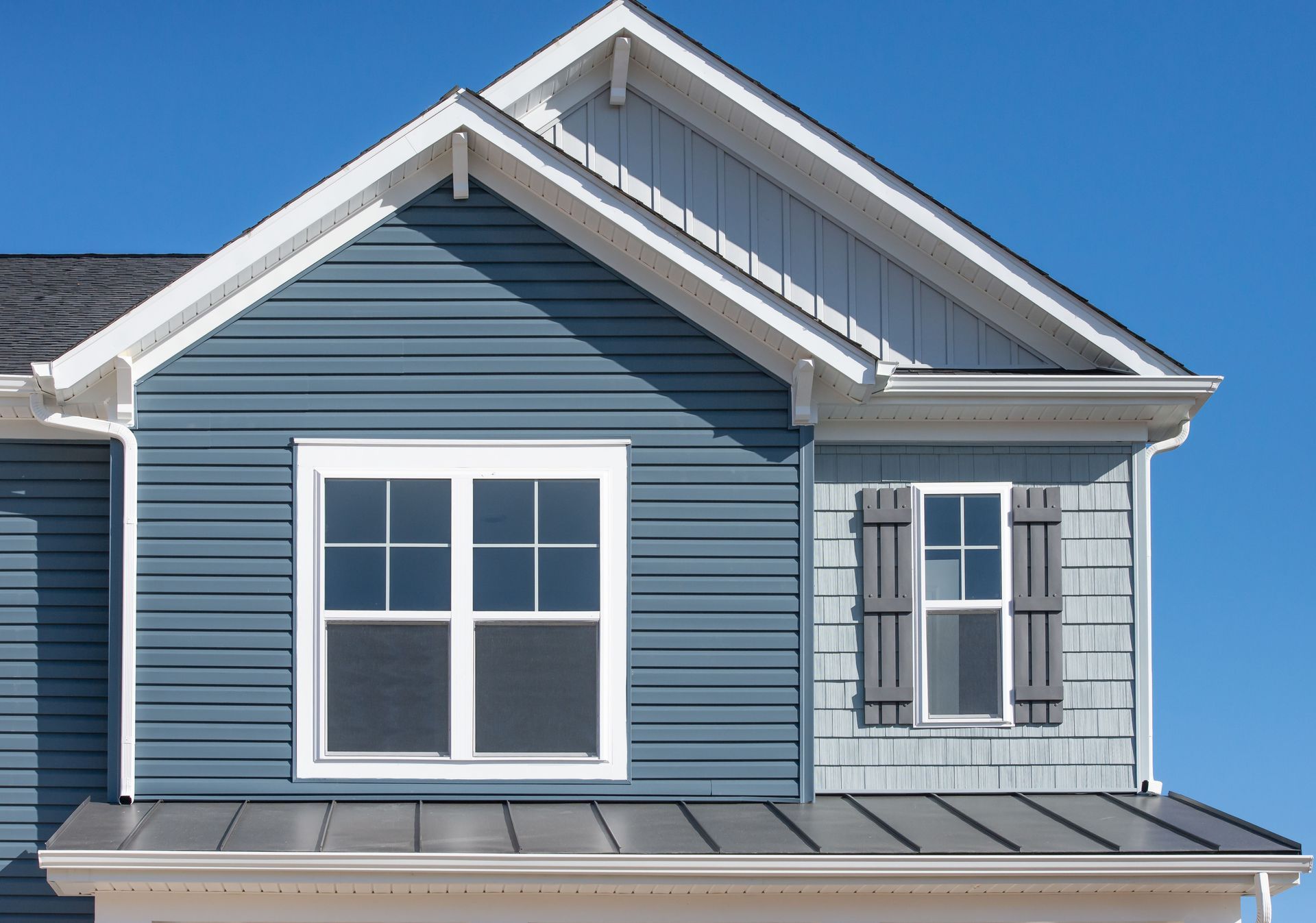
The visual design of a home exterior does more than just enhance curb appeal; it can also play a vital role in regulating the amount of solar heat the building absorbs. In the past, dark-colored exterior materials would absorb a massive amount of solar radiation, transferring that heat directly into the home and causing air conditioning systems to run constantly during sunny days. However, modern manufacturing techniques have revolutionized the way exterior panels manage sunlight. Today, you can select from a wide array of specialized, light-reflecting colors that bounce solar radiation away from the house rather than absorbing it. Even darker shades are now formulated with reflective pigments that mitigate heat gain. To take advantage of these advanced color technologies, property owners should consult with knowledgeable vinyl siding suppliers who understand the specific climate challenges of the region. By selecting a color palette optimized for solar reflection, the exterior walls remain significantly cooler to the touch, which directly translates to a cooler interior environment. This reflective quality is particularly beneficial in warmer climates or for houses that receive direct, unfiltered sunlight for the majority of the day. Keeping the structural envelope cool reduces the latent heat that builds up in the walls, allowing the home to maintain a crisp, comfortable atmosphere while demanding far less energy from the cooling system. This is a passive cooling technique that works seamlessly behind the scenes, ensuring that your living space remains an oasis of comfort regardless of the temperature outside.
4. Delivering Long-Term Durability
Energy efficiency is not just about the daily operation of heating and cooling systems; it also encompasses the lifespan of the building materials and the resources required to maintain them over time. A truly efficient exterior product will continue to perform its insulating and protective duties for many years without degrading, cracking, or warping. According to Today's Homeowner, although vinyl is the most affordable siding option, it can last as long as 40 years with minimal maintenance. This exceptional longevity means that the insulating properties of the panels will not diminish rapidly, ensuring consistent thermal protection decade after decade. Furthermore, because it does not require frequent repainting, staining, or heavy chemical treatments to remain weather-resistant, the lifetime environmental footprint of the material is incredibly low. When moisture infiltrates lesser materials, it can ruin interior insulation and compromise the home's thermal barrier. This tough plastic composite, however, naturally repels water, preventing rot and moisture damage that could otherwise destroy the home's energy efficiency. Partnering with the right vinyl siding suppliers ensures that you receive a durable, premium product designed to withstand the harshest weather conditions without losing its structural integrity. The less often a homeowner has to repair or replace their exterior cladding, the more efficient and sustainable the property becomes overall.
Transforming a house into a highly efficient and comfortable haven starts with evaluating the exterior envelope and choosing materials that actively resist energy loss. Upgrading the exterior not only revitalizes the aesthetic appeal of a property but also serves as a practical, long-lasting strategy for stabilizing indoor temperatures and reducing reliance on expensive mechanical heating and cooling. From establishing a continuous insulating barrier to preventing costly air leaks and reflecting harsh solar heat, the benefits of modern exterior cladding are undeniable. The durability of the material ensures that these climate-control advantages persist for decades, maximizing the return on investment while requiring very little upkeep. Finding the right products to achieve these goals is easy when you work with dedicated professionals who prioritize quality and performance. When you are ready to enhance your home's exterior and slash your monthly utility expenses, reaching out to reliable vinyl siding suppliers is the perfect first step. Call Mayeaux's Vinyl Siding Supply today to learn more about our energy-efficient exterior options and schedule your professional consultation.

Share On: