
What is Vinyl Siding and Why Choose It?
Selecting the ideal exterior protective shell for a home represents among the most consequential decisions a property owner will ever make. Exterior cladding defines curb appeal, protects structural framing from extreme weather elements, and influences ongoing utility costs. Amid a vast array of building materials, a primary solution consistently emerges as the preferred choice for residential structures across North America. Engineered from durable polyvinyl chloride resin, vinyl siding provides an unbeatable combination of longevity, aesthetic versatility, and structural protection. Homeowners and building contractors frequently seek cladding systems that deliver timeless beauty without requiring relentless maintenance routines or exorbitant financial investments. Understanding the composition, physical performance, and architectural advantages of this modern material enables property owners to make informed choices. Investing in high-performance exterior cladding safeguards your physical asset while transforming your house into an attractive, energy-efficient home. Taking time to evaluate exterior material performance ensures long-term protection, low lifecycle costs, and lasting satisfaction for decades of family living. Choosing high-quality wall panels establishes a resilient protective shield, safeguarding interior living areas while boosting overall resale value in competitive housing markets.
Defining Modern Exterior Cladding Technologies
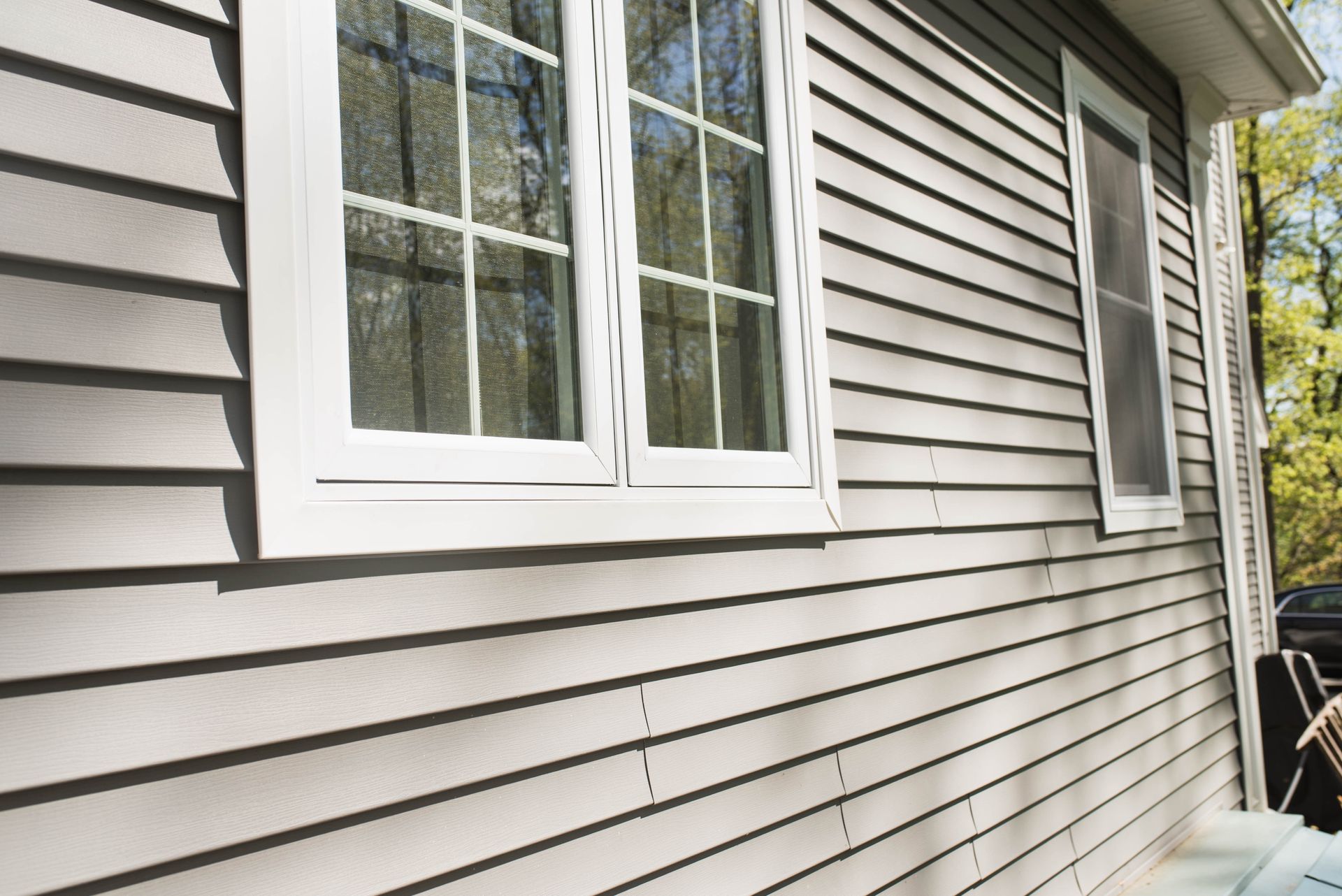
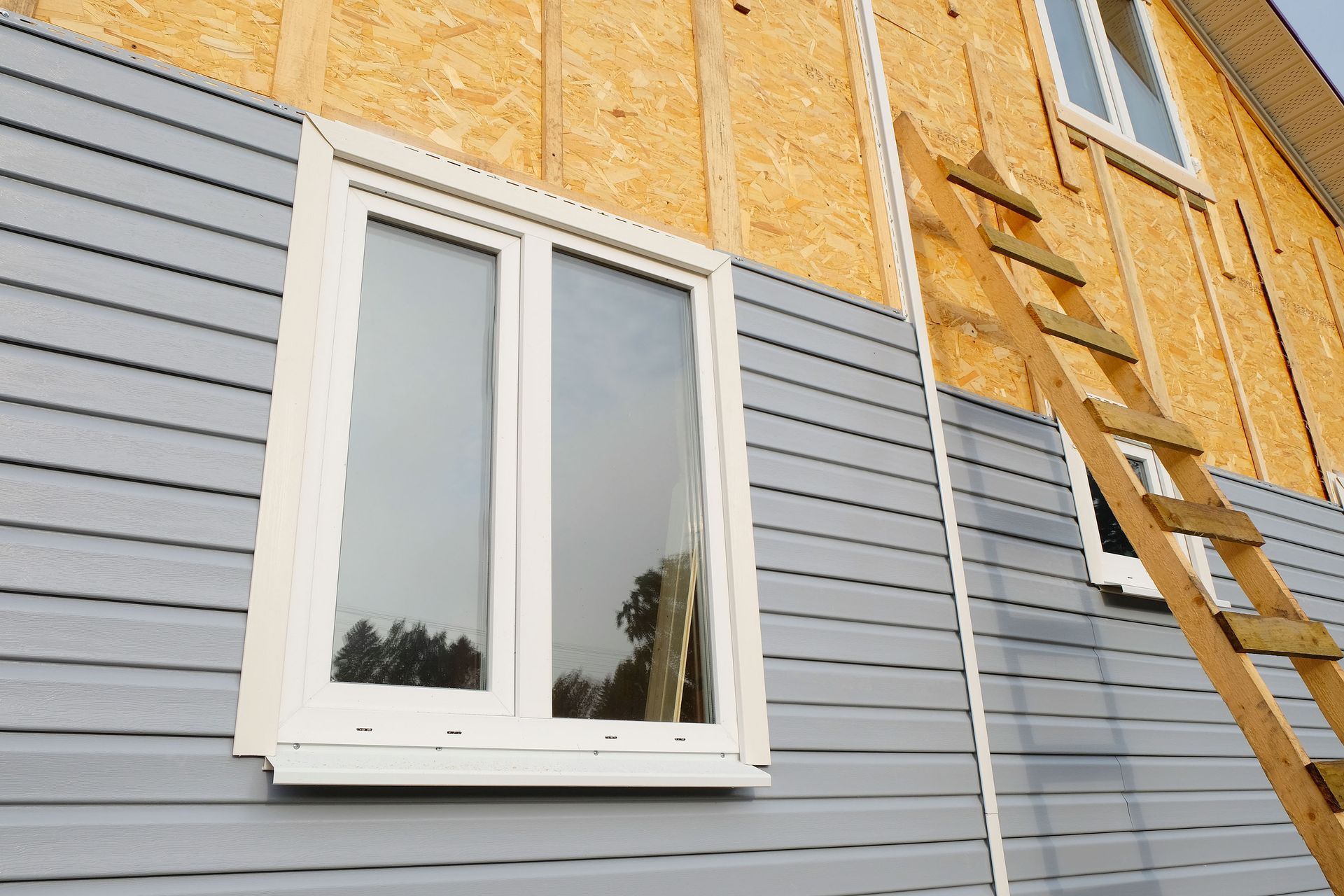
Understanding synthetic exterior cladding begins with examining its specialized manufacturing process and composite material structure. Engineered primarily from polyvinyl chloride, this exterior material combines synthetic resins with specialized additives, color pigments, and ultraviolet light inhibitors. Manufacturing processes utilize extrusion technology to form durable panels featuring built-in locking mechanisms, nail hems, and drainage channels. Modern production techniques produce rigid panels that resist impact damage, thermal expansion, and color fading under continuous sun exposure. According to the National Association of Home Builders, in 2025, 27.7% of new single-family homes used vinyl siding as their primary exterior wall material, making it the most common choice nationwide. Widespread adoption across modern residential construction underscores the material's structural reliability, aesthetic appeal, and proven performance across diverse climate zones. Advanced formulations continue to enhance thermal stability and impact strength, solidifying its dominant market presence. High-precision engineering ensures that interlocking joints maintain atmospheric tight seals, preventing wind-driven precipitation from reaching structural wall sheathing. Modern manufacturing standards maintain strict quality control, producing consistent panel thickness and rich, uniform pigmentation across every production batch. Advanced surface textures capture light naturally, mimicking authentic timber grain while eliminating wood's inherent vulnerabilities to weathering and decay.
Exploring Exceptional Durability and Weather Resistance
Shielding home interiors from severe weather conditions requires exterior materials capable of enduring extreme climate stress. Engineered panel systems withstand driving rain, heavy snowfall, intense ultraviolet radiation, and fierce wind gusts without blistering, cracking, or warping. Unlike natural wood, synthetic cladding panels are completely immune to rot, fungal decay, moisture absorption, and destructive insect infestations like termites or carpenter ants. Advanced manufacturing formulations incorporate thermal stabilizers that prevent panel brittleness during freezing winter temperatures while maintaining structural shape during scorching summer heatwaves. Installing high-wind rated synthetic cladding ensures that exterior wall assemblies remain anchored during severe coastal storms, protecting underlying timber framing and insulation layers from water intrusion and wind damage for decades. Long-lasting structural stability prevents costly rot repairs, preserving home value through changing seasons. Superior impact resistance protects home exteriors from flying yard debris, hail impacts, and accidental bumps during outdoor play or lawn maintenance. Resilient cladding panels flex naturally under kinetic stress, returning to their original shape without leaving unsightly dents or permanent surface creases. Continuous moisture protection prevents mold spores from colonizing wall cavities, safeguarding indoor air quality and family health.
Evaluating Low Maintenance and Easy Upkeep Requirements
Traditional exterior wall materials like painted wood or fiber cement demand continuous maintenance investments, including frequent scraping, priming, painting, and caulking to preserve structural appearance. Conversely, synthetic exterior cladding eliminates exhausting upkeep cycles entirely. Color pigments are fully integrated throughout the solid material during manufacturing rather than applied as a surface coating, meaning panels will never chip, peel, flake, or scratch away. Maintaining pristine exterior appearance requires nothing more than an occasional rinse with a standard garden hose and mild soapy water to remove seasonal dust and pollen. Choosing vinyl siding saves property owners thousands of dollars in routine painting costs while freeing up precious weekend time for family relaxation and leisure activities. Low upkeep demands also eliminate hazardous ladder work associated with repainting high gable walls and rooflines. Periodic cleaning requires zero specialized machinery, allowing property owners to maintain pristine curb appeal using basic household cleaning supplies. Eliminating routine painting projects protects household budgets from recurring labor expenses while preserving surrounding soil and flower beds from paint overspray. Effortless maintenance schedules allow busy homeowners to spend more time enjoying their property rather than managing exhausting exterior upkeep.
Analyzing Cost Effectiveness and Energy Savings
Achieving exceptional architectural style and long-lasting structural protection does not require exceeding your construction budget. Synthetic panel systems offer lower material acquisition and installation expenses compared to stone, brick, stucco, or real wood cladding. Lightweight panel design streamlines transportation and labor requirements, reducing overall project timelines and installation costs. Furthermore, modern insulated panel options incorporate continuous rigid foam backing directly beneath exterior surfaces. Insulated vinyl siding eliminates thermal bridging across wooden wall studs, creating an unbroken thermal envelope around living spaces. Wrapping a home in insulated cladding stabilizes indoor temperatures, reduces heating and cooling system workload, and noticeably lowers monthly energy expenses across every season. High energy efficiency delivers compounding financial returns, offsetting installation costs over time. High-density insulation backing dampens sound transmission from heavy highway traffic, neighborhood lawnmowers, and barking dogs, creating quiet, peaceful indoor living spaces. Enhanced acoustic insulation combines with thermal energy savings to maximize overall residential comfort. Lower utility bills offer long-term financial relief, helping families offset rising living costs through smart building envelope design.
Examining Versatile Aesthetics and Style Options
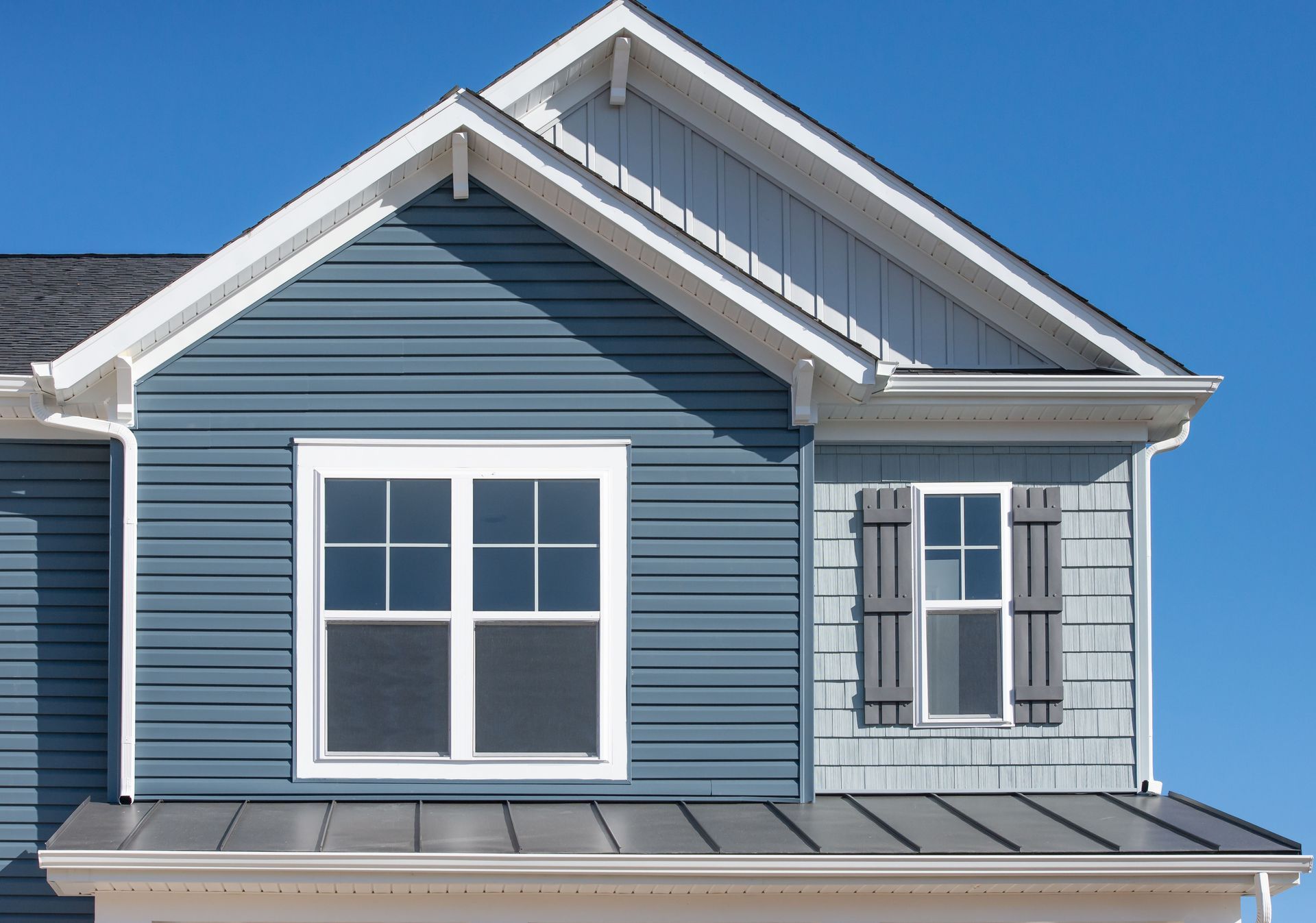
Architectural flexibility allows property owners to customize exterior building designs to suit personal taste and neighborhood character. Modern panel manufacturing replicates rich woodgrain textures, smooth hand-crafted finishes, and crisp shadow lines with remarkable visual accuracy. Property owners can choose from extensive color palettes ranging from subtle neutral tones to deep, rich architectural shades designed to resist solar fading. Furthermore, diverse profile options—including traditional horizontal lap, architectural vertical board and batten, elegant Dutch lap, and classic shake or shingle accents—enable creative design combinations. Utilizing versatile vinyl siding permits seamless architectural integration across traditional colonial homes, modern farmhouses, rustic cottages, and contemporary residential designs. Customizable accent trims and soffit profiles complete exterior visual transformations effortlessly. Matching trim pieces, decorative window headers, functional soffits, and customized fascia boards create polished visual harmony across complex architectural facades.
Discovering Environmental Sustainability and Recyclability
Environmental responsibility plays an increasingly vital role in modern building material selection. Synthetic exterior panels offer distinct environmental benefits throughout their entire operational life cycle. Precise manufacturing processes produce minimal material waste, while lightweight shipping characteristics reduce fuel consumption during distribution. Because panels never require painting, staining, or chemical sealing, homeowners avoid releasing volatile organic compounds into surrounding outdoor air. Furthermore, post-industrial and post-consumer scrap material can be fully re-melted and recycled into new building products. Selecting eco-friendly polyvinyl cladding contributes to sustainable residential design, reducing landfill accumulation while delivering long-lasting, energy-efficient building performance. Sustainable manufacturing practices align environmental stewardship with high-performance residential construction.
At Mayeaux's Vinyl Siding Supply, our dedicated team brings deep product expertise, premium material selections, and unwavering commitment to every building project we support, ensuring your home stays beautiful, efficient, and protected through every season. Contact us today to explore our extensive inventory and experience the lasting advantages of superior exterior cladding.

Share On: